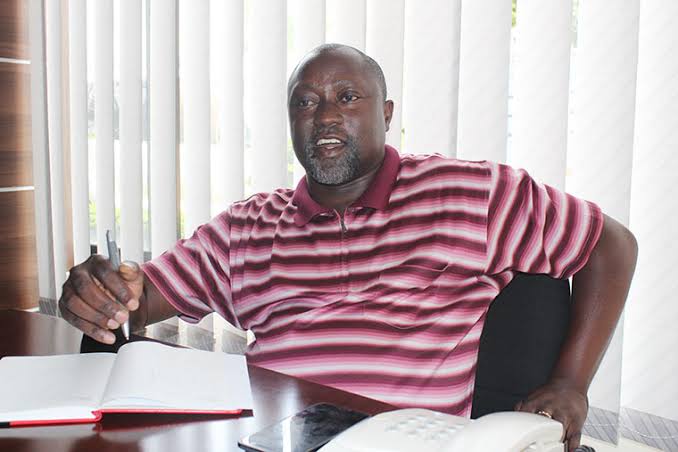

Former Immanuel Ben Misagga has delivered a sharp critique of Uganda’s infrastructure strategy, arguing that local professionals are being sidelined in major projects while foreign firms dominate the technical space.
Citing the recently completed Hoima City Stadium, Misagga painted a vivid picture of imbalance on site. He claimed that while Ugandan engineers handled basic tasks like mixing cement and digging trenches, highly skilled responsibilities were largely executed by foreign experts from Summa.
According to Misagga, this trend reflects a deeper systemic issue where Uganda continues to outsource expertise instead of deliberately nurturing it.
“It is a world-class facility, no doubt. But the real question is—what did Ugandans gain in terms of technical capacity?” he questioned.
He proposed a more intentional model—one that embeds local engineers within foreign-led projects. In his view, contracts should mandate structured knowledge transfer, ensuring Ugandan professionals acquire hands-on experience in handling complex machinery and managing large-scale developments.
Misagga further highlighted how foreign construction giants are often backed by strong state support in their home countries. He noted that companies like Summa benefit from government financing, access to advanced equipment, and policy protection advantages Ugandan firms lack.
This, he argued, creates an uneven playing field where local companies are forced to compete against heavily supported international players.
“Why are we entering the ring with state-backed giants while our own firms have no gloves?” he remarked.
The outspoken administrator also took aim at what he described as a “cycle of dependency,” where foreign companies are repeatedly contracted not only to build roads but also to repair them years later.
For Misagga, the solution lies in shifting from rhetoric to action. He urged the government to adopt deliberate empowerment policies that prioritize skills transfer, local participation, and long-term capacity building.