
The Confederation of African Football (CAF) has delivered a sobering progress report on the preparedness of Kenya, Tanzania and Uganda to host the 2027 Africa Cup of Nations, revealing that none of the proposed competition stadiums currently meets required standards.
A joint inspection team led by CAF’s Head of Safety & Security Dr Christian Emeruwa and Head of Infrastructure Stephanie Totokra toured the three nations in February 2026, assessing stadiums, training facilities, and safety frameworks earmarked for the continental showpiece.
No Stadium Meets CAF Standards Yet
According to the official findings, all three co-hosts are still in a phase of construction, refurbishment, and operational correction.
“At present, none of the proposed competition stadiums fully meets CAF AFCON standards,” the report notes, highlighting significant infrastructure gaps and incomplete systems across the region.
CAF clarified that the February mission focused strictly on sporting infrastructure and safety compliance, leaving out other crucial tournament logistics such as operations and commercial readiness.
August Deadline Looms Large
With CAF inspectors set to return in August 2026, the coming months have been described as decisive. Host nations must demonstrate tangible progress, with full readiness expected by January 2027.
Key benchmarks include confirmed government funding, at least 80% completion of stadium works, installation of critical systems like floodlights and security infrastructure, and readiness of airports, hotels, and transport networks.
Kenya: Ambitious Projects Face Pressure
In Kenya, flagship venues such as the Moi International Sports Centre, Kasarani and the Talanta Sports Complex remain under heavy construction and upgrades.
While Kasarani is undergoing major redevelopment—including pitch reconstruction, modern lighting installation, and improved spectator flow—the scale of work remains extensive.
The Talanta Stadium project, a central pillar of Kenya’s hosting bid, is still under construction and carries risks typical of large-scale new builds. Meanwhile, Nyayo National Stadium has been deemed unsuitable in its current form and may be downgraded to a training venue.
Training facilities in Nairobi show some progress, though CAF has urged authorities to streamline projects and focus on viable sites.
Tanzania: Leading but Complex
Tanzania appears to be in a relatively stronger structural position, with the Samia Suluhu Stadium identified as the most advanced competition venue among the three nations.
However, CAF warned that the country’s three-host-city model—Dar es Salaam, Zanzibar and Arusha—introduces logistical complexity requiring tight coordination.
The Benjamin Mkapa Stadium still needs major upgrades, including pitch reconstruction and improved lighting, while the under-construction Fumba Stadium faces risks linked to design and system integration.
Authorities must also decide the future role of Amaan Stadium before August, either upgrading it to meet standards or reclassifying it as a training ground.
Uganda: Structural and Operational Gaps
Uganda’s preparations present a mixed picture, with significant challenges in both stadium infrastructure and supporting systems.
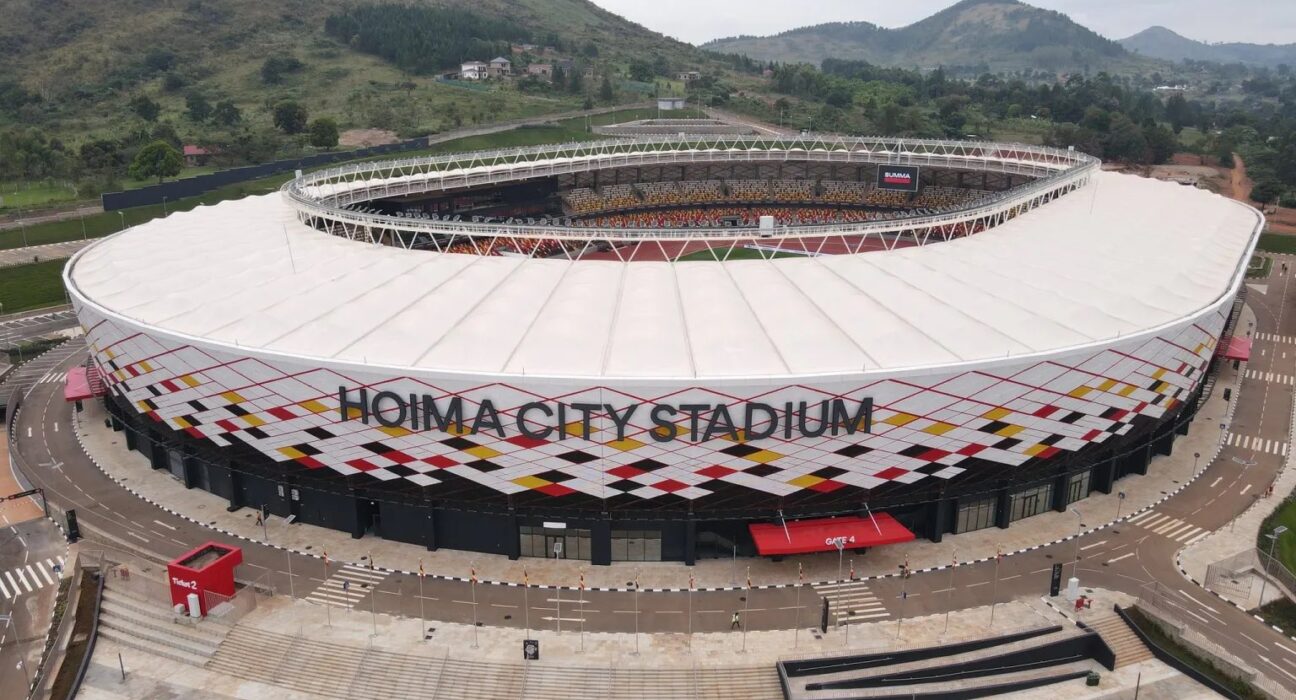
The newly built Hoima City Stadium has been flagged for major operational flaws, including poor spectator segregation, substandard dressing rooms, and inadequate media facilities.
At the Mandela National Stadium, CAF has raised concerns over the scale and timeline of proposed renovations.
The current plan featuring partial demolition and structural upgrades has been deemed unrealistic within the tournament timeline, prompting a recommendation for a revised, faster approach.
Training facilities, particularly in Hoima, remain insufficient, with several sites failing to meet CAF’s minimum standards.
Infrastructure Beyond Stadiums
CAF emphasized that readiness extends beyond match venues. Across all three countries, progress is required in key areas such as:
- Airport operations and passenger handling
- Hotel accommodation capacity
- Road networks and traffic management
- Power supply and backup systems
- Medical and emergency services
In Uganda, specific concerns were raised about the readiness of Hoima Airport, limited high-end accommodation, and connectivity between Kampala and Hoima.
Race Against Time
With less than a year to achieve full operational readiness, East Africa’s historic joint hosting of AFCON 2027 hangs in a delicate balance.
The August 2026 inspection will serve as a crucial checkpoint, determining whether Kenya, Tanzania and Uganda can accelerate progress and meet CAF’s stringent requirements or risk falling short of delivering Africa’s biggest football spectacle.